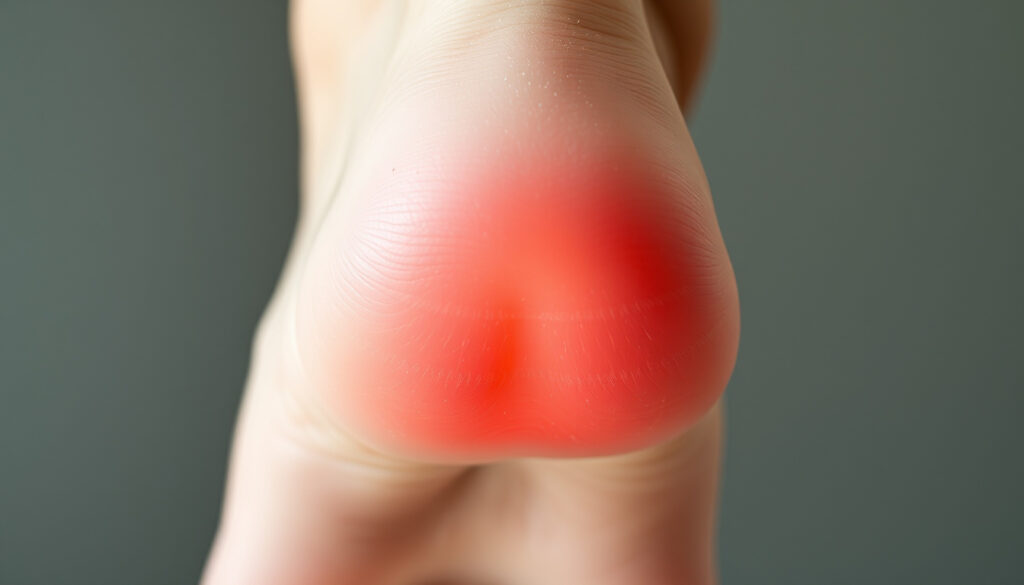
What Is Plantar Fasciitis? Symptoms, Causes & Best Treatments
That first step out of bed shouldn’t feel like stepping on broken glass. Plantar fasciitis is one of the most common causes of heel pain in adults, affecting runners, people who stand all day, and anyone who wears shoes with poor arch support.
Most common cause of: heel pain · Affected tissue: plantar fascia ligament · Primary symptom location: heel and arch · Top sources cited: Johns Hopkins, Mayo Clinic, Cleveland Clinic · Typical recovery method: conservative treatments
Quick snapshot
- Plantar fasciitis responds to conservative treatment in 90% of cases (Mayo Clinic)
- Exact cure time varies by individual factors (HSS)
- Improvement noticeable after 4-6 weeks of steady exercises (HSS)
- Surgery considered only after 6-12 months of failed conservative care (Molina Policy)
These key facts outline the current medical consensus on diagnosis, treatment timelines, and outcomes based on evidence from major healthcare institutions.
| Label | Value |
|---|---|
| Definition | Inflammation of plantar fascia |
| Prevalence | Most common heel pain cause |
| Onset | Gradual, morning pain peak |
| Risk Factors | Runners, overweight, flat feet |
What is Plantar Fasciitis?
Plantar fasciitis is inflammation of the plantar fascia, a thick band of tissue that connects your heel bone to your toes and supports the arch of your foot. When this tissue becomes inflamed or overworked, it causes sharp pain at the bottom of the heel. According to the Cleveland Clinic (medical institution providing patient education), this condition is the most common cause of heel pain in adults.
Plantar Fasciitis Definition
The PubMed Review (2020-2025 evidence framework) confirms that diagnosis typically involves patient history, physical palpation, and the windlass test. Imaging like ultrasound or MRI is used only when needed to rule out other conditions.
Anatomy Involved
The plantar fascia ligament runs along the bottom of your foot, from the heel to the toes. When it’s stressed—by tight muscles, poor footwear, or repetitive impact—it develops tiny tears that lead to inflammation and pain. The Harvard Health (medical publication with peer-reviewed content) notes that pain is often worst with the first steps in the morning or after prolonged sitting.
What is the best way to treat plantar fasciitis?
The best treatment for plantar fasciitis starts with conservative, non-surgical approaches. The PubMed Review (comprehensive 2020-2025 evidence framework with 30 treatments) establishes that first-line treatments include RICE (Rest, Ice, Compression, Elevation), stretching, and orthotics. Surgery is only considered as a last resort.
Conservative Treatments
Rest and activity modification form the foundation. According to the Mayo Clinic (leading academic medical center), the calf stretch involves standing with your back leg straight, leaning forward until you feel a stretch, and holding for 30 seconds at a time. NSAIDs and ice reduce inflammation and pain in the early stages.
Orthotics, whether prefabricated or custom, provide arch support and distribute pressure more evenly. The Medbridge (physical therapy best practice resource) notes that Low-Dye taping offers short-term relief similar to orthotics for many patients.
Conservative treatment works for 90% of plantar fasciitis cases. Patients who commit to a structured program of stretching and strengthening see measurable improvement in weeks, not months.
Plantar fasciitis exercises
Exercise is the cornerstone of recovery. The Choose PT (physical therapy resource with evidence-based protocols) recommends a combination of stretching and strengthening:
- Plantar fascia massage: Roll your foot over a ball or frozen water bottle, 10 rolls × 2 sets daily
- Heel raises: Stand on a step edge, raise up on toes, then lower heels slowly, 10 reps × 2 sets daily
- Towel scrunches: Using your toes, scrunch a towel toward you, 10-15 reps × 2 sets, 1-3× daily
- Plantar fascia stretch: While seated, pull your toes back toward your shin, hold for 10 seconds × 10 reps per foot, 3× daily
The AAFP (American Academy of Family Physicians, medical association publishing practice guidelines) states that 2025 guidelines recommend stretching the gastrocnemius, soleus, and plantar fascia to reduce pain and disability. The guidelines also emphasize that strengthening toe flexors, ankle evertors/invertors, and gastrocnemius improves outcomes more than stretching alone.
One study found that heel pain improved by 52% after 8 weeks of dedicated plantar fascia stretching, according to Harvard Health (medical publication with peer-reviewed content). The difference between stretching alone and stretching plus strengthening is measurable.
The implication is that patients who add strengthening exercises to their routine outperform those who stretch exclusively.
Will plantar fasciitis go away on its own?
Plantar fasciitis often resolves with conservative care, but ignoring it allows it to persist or worsen. According to the Molina Policy (clinical policy document from a major health insurer), without treatment, pain typically continues and may interfere with daily activities. Surgery is reserved after 6-12 months of failed conservative treatment.
Recovery Timeline
Most people notice improvement after 4-6 weeks of consistent exercises, according to HSS (Hospital for Special Surgery, orthopedic specialty hospital). Night splints, which stretch the plantar fascia while you sleep, help reduce that characteristic morning pain by preventing overnight tightening.
Factors Affecting Healing
Recovery speed depends on adherence to the treatment program, underlying risk factors, and activity modification. The JOSPT (Journal of Orthopaedic & Sports Physical Therapy, peer-reviewed publication) reports that APTA updated guidelines recommend resistance training for foot and ankle rehabilitation. Weight loss is recommended for overweight patients, as excess body weight increases stress on the plantar fascia with every step.
What’s the worst thing you can do for plantar fasciitis?
The worst thing you can do for plantar fasciitis is ignore the pain and continue high-impact activities that stress the tissue further. The Harvard Health (medical publication with peer-reviewed content) specifically warns against running, jumping, or walking barefoot on hard surfaces during recovery.
Common Mistakes
Many people make the mistake of pushing through pain or switching to high-impact exercise alternatives. The Yorkville Sports Med (sports medicine clinic) advises avoiding high-impact activities and instead choosing low-impact alternatives like walking on soft surfaces, swimming, or stationary biking.
Impact of Overuse
Continuing to stress the plantar fascia leads to more micro-tears, increased inflammation, and a longer recovery. The Cleveland Clinic (medical institution providing patient education) notes that risk factors include being on your feet all day, exercising on hard surfaces, and wearing shoes with poor arch support. Ignoring these factors prolongs pain unnecessarily.
Rest alone doesn’t heal plantar fasciitis—it’s necessary but not sufficient. The tissue needs progressive loading through targeted exercises to remodel and strengthen, according to AAFP (medical association publishing practice guidelines).
The pattern shows that patients who rest without exercising often take longer to recover than those who balance rest with progressive loading.
What are the symptoms of plantar fasciitis?
The hallmark symptom of plantar fasciitis is sharp heel pain that is worst with the first steps in the morning or after periods of rest. The Choose PT (physical therapy resource with evidence-based protocols) confirms that this pain often eases after walking for a few minutes but returns after prolonged standing or activity.
Key Symptoms
- Sharp pain at the bottom of the heel, especially with first steps
- Pain that worsens after prolonged standing or activity
- Stiffness and tenderness along the arch
- Pain that returns after rest periods
The Harvard Health (medical publication with peer-reviewed content) notes that common symptoms include pain at the bottom of the heel that worsens with prolonged standing or walking.
When to See a Doctor
See a healthcare provider if heel pain persists despite several weeks of home treatment, if the pain is severe and limiting daily activities, or if you notice swelling, redness, or warmth in the area. The PubMed Review (comprehensive 2020-2025 evidence framework) confirms that diagnosis involves history, palpation, and the windlass test, with imaging used to rule out other conditions if needed.
Research shows that both strengthening and stretching exercise programs can greatly reduce pain and improve walking in people with plantar fasciitis. — Choose PT (Physical Therapy Resource)
Stretching the gastrocnemius and soleus muscles, and especially the plantar fascia, reduces pain and disability in plantar fasciitis. — AAFP (Medical Association)
What this means is that targeted stretching and strengthening directly address the mechanical causes of plantar fasciitis pain.
How to Treat Plantar Fasciitis: A Step-by-Step Approach
A structured approach to treating plantar fasciitis combines rest, targeted exercises, and supportive devices. Follow these steps based on current medical guidelines:
- Reduce inflammation: Apply ice to the painful area for 15-20 minutes several times daily. Rest from high-impact activities for at least the first 1-2 weeks.
- Stretch daily: Perform the calf stretch (hold 30 seconds × 3 repetitions per leg) and plantar fascia stretch (10 seconds × 10 reps per foot) at least 2-3 times daily.
- Strengthen the foot: Add heel raises (10 reps × 2 sets), towel scrunches (10-15 reps × 2 sets), and plantar fascia massage (10 rolls × 2 sets) to your routine.
- Support your feet: Wear shoes with good arch support, use prefabricated orthotics if needed, and consider night splints to prevent overnight tightening.
- Modify activity: Replace high-impact exercise with low-impact alternatives like walking on soft surfaces, swimming, or stationary biking until symptoms improve.
- Track progress: Most people see improvement within 4-6 weeks of consistent treatment. If pain persists beyond 6-8 weeks, consult a healthcare provider for additional options.
The Medbridge (physical therapy best practice resource) notes that manual therapy improves ankle and foot mobility and should be part of a comprehensive PT program alongside gait training and shoe inserts.
Upsides
- 90% of cases respond to conservative treatment
- Improvement often noticeable within 4-6 weeks
- Strengthening exercises improve outcomes beyond stretching alone
- Night splints effectively reduce morning pain
Downsides
- Recovery requires consistent daily effort
- Ignoring pain leads to longer recovery or chronic pain
- Some unproven treatments lack sufficient evidence
- Surgery is invasive with a lengthy recovery
Related reading: strengthening exercises · medical diagnosis
Plantar fasciitis commonly causes sharp heel pain from inflamed tissue connecting heel to toes, as detailed in this detailed plantar fasciitis overview alongside effective remedies.
Frequently asked questions
Is walking good for plantar fasciitis?
Moderate walking on soft surfaces is generally acceptable during recovery. Avoid walking barefoot on hard floors or standing for prolonged periods. Low-impact walking can help maintain mobility, but high-intensity or prolonged walking may aggravate symptoms.
What is the fastest way to cure plantar fasciitis?
The fastest recovery combines consistent stretching (plantar fascia and calf stretches 2-3× daily), strengthening exercises, ice and NSAIDs for pain control, and supportive footwear. Research shows that 8 weeks of dedicated stretching can improve heel pain by 52%.
What gets mistaken for plantar fasciitis?
Other conditions that cause heel pain include heel spurs, tarsal tunnel syndrome, nerve compression, stress fractures, and Achilles tendinitis. A proper diagnosis involves patient history, physical examination, and potentially imaging to rule out these alternatives.
Is plantar fasciitis curable?
Plantar fasciitis is treatable and usually resolves with conservative care. While some cases become chronic if poorly managed, the vast majority of patients recover fully with consistent stretching, strengthening, and activity modification.
How to cure plantar fasciitis in one week?
A complete cure in one week is unlikely for most cases. However, significant pain reduction is possible with aggressive early treatment: rest, ice, daily stretching, and NSAIDs. Full resolution typically takes 4-6 weeks of consistent conservative treatment.
What causes plantar fasciitis?
Plantar fasciitis is caused by repetitive stress and strain on the plantar fascia ligament. Risk factors include tight calf and foot muscles, high-impact activities like running, poor footwear support, being on your feet all day, exercising on hard surfaces, and being overweight.
When should I see a doctor for plantar fasciitis?
See a healthcare provider if heel pain persists despite 6-8 weeks of home treatment, if pain is severe and limiting daily activities, or if you notice swelling, redness, or signs of infection. A doctor can confirm the diagnosis and rule out other conditions.
Plantar fasciitis is treatable, but only for patients willing to do the work. The exercises are simple, the timeline is predictable, and the outcomes are favorable for those who stay consistent. For anyone dealing with heel pain, the path forward is clear: stretch daily, strengthen progressively, support your feet, and be patient. The tissue remodels in weeks, not days—but the first step out of bed doesn’t have to hurt forever.
More related posts
 Specific Heat Capacity Equation – GCSE Guide with Examples
 Sarah Ferguson Net Worth 2024: Duchess of York’s $2M Fortune
 Neneh Cherry: Illness, Biggest Hit, Family & Current Life
 Disney Store Near Me: Where to Shop in Europe 2025
 Will Smith and Jada: Marriage Status, Rumors and Facts
 Antoine Semenyo: Biography, Transfer, Stats, and Arsenal Fandom
 Generation Xyz Explained and Generational Timeline
 Dominic Fike: Incarceration, Fatherhood, and UK Ban