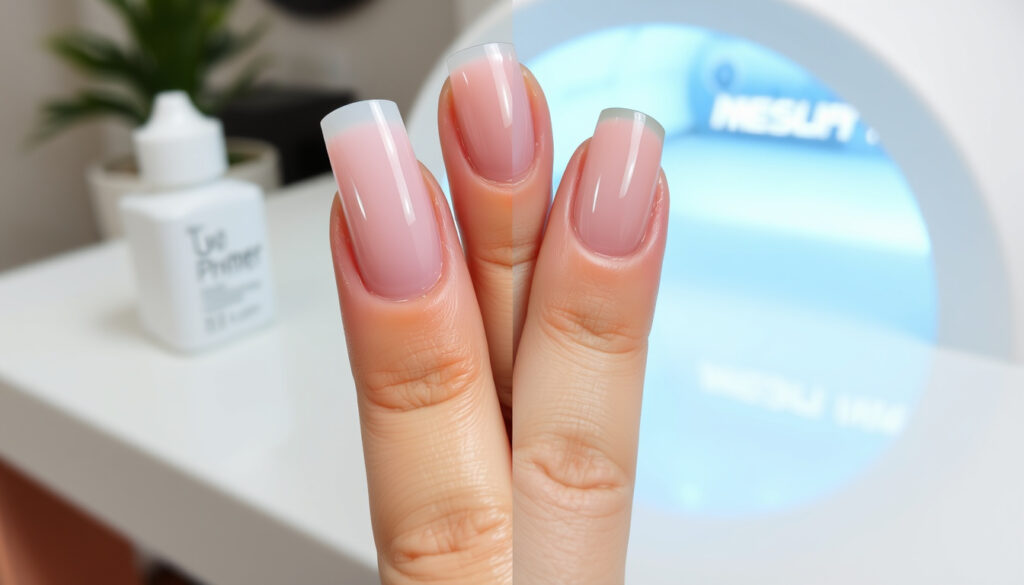
Acrylic Nails vs Gel: Pros, Cons & Healthiest Option
Acrylic nails are the toughest option for nail enhancements, but that strength comes with risks that many overlook. Anyone who’s watched a nail technician swirl powder into a droplet of liquid monomer knows the ritual—acrylic nails are built from scratch, layer by layer. They’re tough, long-lasting, and affordable, but the beauty world is increasingly asking whether that durability comes at a cost to your natural nails. Here’s what the evidence says, from salon counters to dermatology clinics, so you can make an informed choice.
Typical duration of a full acrylic set: 2–4 weeks before fill needed ·
Price range in Dublin (full set): €8–€55 (Fresha) ·
Strength comparison: Acrylics are stronger than gel (opinions vary) ·
Curing method: Air-dries; no UV lamp required ·
Average removal time: 15–30 minutes with acetone soak
Quick snapshot
- Acrylic nails are made from polymer powder and liquid monomer (Nail Polish Direct)
- Acrylic hardens by a chemical reaction with air, no UV lamp needed (NSI Nails UK)
- Acrylics are stronger than gel nails (Fresha)
- Dermatologists recommend taking breaks between sets (Dermatology Advisor)
- Whether acrylic or gel causes more long‑term nail damage – opinions vary (Lilac St.)
- Exact percentage of salon clients switching from acrylics – no recent large‑scale survey (Lilac St.)
- Long‑term health effects of monomer inhalation – insufficient studies (Lilac St.)
- Whether acrylics are truly stronger than gel in all scenarios is debated, though some sources claim they are (Fresha)
- Growing consumer shift from acrylics toward gel and dip powders (L’Oréal Paris)
- Salons now list dip powder as a top service alongside gel (L’Oréal Paris)
- More research on long‑term health effects of monomer exposure anticipated (Young Nails Ireland)
- Hema‑free acrylic formulations gaining traction (Young Nails Ireland)
Key facts: acrylic nails at a glance
Six metrics that define the acrylic experience, from wallet to wellness.
| Attribute | Value |
|---|---|
| Typical Lifespan | 2–4 weeks before fill |
| Removal Time | 15–30 minutes with acetone |
| Odor Level | Strong |
| UV Exposure | None (no lamp required) |
| Starting Price (Dublin) | €8 (Fresha) |
| Common Allergen | Methacrylate monomers (Hema‑free available) |
What is an acrylic for nails?
Acrylic Nail Composition
Acrylic nails are built from a two‑part system: a polymer powder (often polymethyl methacrylate) and a liquid monomer (ethyl methacrylate). When mixed, they form a malleable bead that is applied to the natural nail and sculpted into shape. The chemical reaction between powder and liquid causes the mixture to harden in open air — no UV lamp required, unlike gel systems (Nail Polish Direct).
Application Process
A full set typically takes 1.5 to 2 hours (Lilac St.). The technician applies a primer, then dips a brush into monomer, picks up a bead of powder, and places it on the nail. After shaping, the acrylic hardens within a couple of minutes. Fills are done every 2–3 weeks as the natural nail grows out, adding fresh acrylic near the cuticle.
Curing and Durability
Acrylic is known for being extremely hard and impact‑resistant. Salon sources consistently describe it as stronger than gel (StyleSeat). That toughness makes it a go‑to for clients who want length or who work with their hands. However, the same rigidity can also make acrylics brittle over time, and improper removal often strips layers of the natural nail.
The implication: understanding these mechanics helps salon goers weigh the strength against the potential for damage.
Which is better gel or acrylic nails?
Durability and Longevity
- Acrylics are generally stronger and more durable than gel (StyleSeat)
- Gel nails are more flexible and less likely to crack under pressure (NSI Nails UK)
- Both last around 2–4 weeks before visible grow‑out
The table below summarizes key differences between acrylic and gel nails.
| Attribute | Acrylic | Gel |
|---|---|---|
| Strength | Stronger (Fresha) | More flexible (NSI Nails UK) |
| Removal | Acetone soak 15–30 min | File off or soak with acetone |
| Cost (full set) | €8–€55, generally cheaper | Often higher, $25–$100 (StyleSeat) |
| UV Exposure | None (air‑cured) | Yes (requires UV lamp) |
| Odor | Strong | Less odor (NSI Nails UK) |
Appearance and Finish
Gel nails offer a high‑gloss, natural look from the start. Acrylics can also be finished glossy but often require a top coat. Many users find gel more natural‑looking and flexible, while acrylic provides a heavier, more sculptural feel.
Removal Process
- Acrylics require a 15–30 minute acetone soak; the material softens and can be gently pushed off.
- Gel polish is usually filed off or soaked off with acetone.
- Improper removal of either system damages the natural nail.
Cost and Maintenance
Acrylic sets are often cheaper — estimated $25–$120 vs $25–$100 for gel (StyleSeat). Acrylics need fills every 2–3 weeks; gel typically requires a full removal and reapplication rather than a fill (Lilac St.).
Impact on Natural Nails
Both systems can weaken the natural nail if applied or removed incorrectly. Some sources say acrylic is harsher due to its weight and the filing required (Lilac St.). Gel users may be tempted to peel off the product, which strips nail layers. A key difference: gel curing involves UV light, raising concerns about skin damage and cancer risk (Dermatology Advisor).
Acrylic wins on strength and price but loses on flexibility and odor. Gel wins on look and feel but introduces UV exposure and higher cost. For heavy‑duty wear, choose acrylic; for natural elegance, choose gel.
The pattern: each system has trade-offs that align with different priorities, so the informed decision rests on what matters most to the wearer.
What are the negatives of acrylic nails?
Nail Damage and Thinning
The most cited drawback: acrylics can leave natural nails thin and weak after removal. Over‑filing during application and aggressive removal are the main culprits. Moisture trapped under lifted acrylic can also cause green nail syndrome (Lilac St.).
Risk of Infection
Leaving artificial nails on too long allows moisture to build up beneath, increasing the risk of fungal infections (onychomycosis) (Dermatology Advisor).
Strong Odor and Chemicals
Acrylic monomer has a potent smell that some clients find off‑putting. The liquid contains methacrylate compounds that can cause allergic contact dermatitis in sensitive individuals (Dermatology Advisor). Hema‑free formulations are available but not yet standard.
Difficulty of Removal
Unlike press‑on nails, acrylics can’t be popped off. Soaking in acetone dries out the nail plate and surrounding skin. Improper prying or filing can lead to permanent nail bed damage.
Cost and Time for Maintenance
Fills every 2–3 weeks add up over time. In Dublin, a full set starts around €8 but maintenance costs quickly surpass the initial investment. Dermatologists advise taking a 2–3 month break every six months to let natural nails recover (Dermatology Advisor).
Acrylic’s durability is its double‑edged sword: strong while on, punishing when removed. The key is professional application and patient removal — and giving your nails a breather every few months.
The implication: proactive care is essential to keep nails healthy under acrylics.
What is the healthiest fake nail option?
Comparison of Fake Nail Types
Three main alternatives stand out beside acrylic:
- Dip powder — No UV light, less odor, durable. Often recommended by dermatologists as the gentler option.
- Gel — Flexible, natural look. UV exposure during curing is a concern.
- Press‑on — Minimal damage, but less durable and can pop off.
Dermatologist Recommendations
The American Academy of Dermatology (via Dermatology Advisor) advises keeping artificial nails short to reduce leverage damage, avoiding over‑filing, and taking breaks. Dip powder is often cited as a healthier medium because it avoids both UV curing and strong monomer fumes.
Tips for Minimizing Damage
- Choose a reputable salon that uses Hema‑free products.
- Never peel or pry off acrylics — always soak.
- Moisturise cuticles daily.
- Take a 2–3 month break every six months.
The implication: no artificial nail is risk‑free, but you can reduce harm through informed choices and good habits.
Why don’t people do acrylic nails anymore?
Shift Towards Healthier Alternatives
Health awareness has grown. Many consumers now avoid acrylics because of the strong odor and concerns about nail thinning. Social media and dermatologist posts have amplified the message: give your nails a break.
Rise of Gel and Dip Powder
Salons increasingly promote gel and dip powder as modern, less damaging services. Gel’s flexibility and natural shine appeal to younger clients; dip powder’s convenience attracts those who want longevity without UV exposure.
Changing Fashion Preferences
Acrylics are sometimes seen as outdated or less subtle. Thin, natural‑looking gel extensions have become the trend in many markets, though acrylics remain essential for extreme length and intricate 3D nail art.
Salon Trends and Availability
Many Dublin salons now list gel and dip as primary services, with acrylic as an option. According to Fresha, acrylic sets are still widely available, but the proportion of bookings for gel and dip has risen steadily.
Acrylic isn’t disappearing — it’s specialising. For everyday wear, gel and dip dominate. For art, length, and budget, acrylic holds its ground. The market is segmenting by purpose.
The catch: the decline reflects a broader shift toward safer, more natural-looking options, but acrylic remains a valid choice for specific needs.
Pros and cons of acrylic nails
Upsides
- Extremely strong and durable (StyleSeat)
- No UV lamp needed – lower skin cancer risk
- Can be filled, reducing full removal frequency
- More affordable than gel per session
- Ideal for long lengths and nail art
Downsides
- Strong chemical odor during application
- Can thin and weaken natural nails if not properly removed
- Risk of fungal infections from trapped moisture
- Allergic reactions to methacrylate monomers possible
- Requires regular fills every 2–3 weeks
Clarity: what we know vs what we don’t
Confirmed facts
- Acrylic nails are made from polymer powder and liquid monomer
- Acrylic hardens by a chemical reaction with air
- Dermatologists recommend taking breaks between sets
- Improper removal can damage natural nails
What’s unclear
- Whether acrylic or gel causes more overall long‑term nail damage – opinions vary
- Whether acrylics are truly stronger than gel in all scenarios – opinions vary (Fresha)
- Exact percentage of salon clients switching from acrylics – no recent large‑scale survey
- Long‑term health effects of monomer inhalation – insufficient studies
Expert perspectives
“I advise my patients to avoid over‑filing natural nails and to take a break from artificial enhancements every two to three months. The health of the nail bed is more important than any trend.”
— Dermatologist, American Academy of Dermatology
“Acrylics are stronger than gel and can last 6–8 weeks, though the typical salon schedule is 2–4 weeks between fills.”
— Fresha (booking platform)
“Our Hema‑free acrylic range reduces the risk of allergic reactions, making the procedure safer for sensitive clients.”
— Young Nails Ireland
“Gel nails offer a high‑gloss finish and are more flexible than acrylics, but they require UV light to cure, which is a consideration for skin safety.”
— L’Oréal Paris
Summary
Acrylic nails remain a solid choice for anyone wanting durable, affordable enhancements. But they are not risk‑free: the strong chemicals, potential for nail damage, and need for meticulous removal mean they demand informed care. For the Irish consumer weighing options, the smart move is to prioritise nail health — invest in professional application, use Hema‑free products, and schedule breaks. If you seek a gentler path, gel or dip powder may be a better option for your natural nails.
For more beauty insights, check out our Charlotte Tilbury Advent Calendar 2025 guide and Sisters and Seekers Hoodie Guide.
For readers weighing their options, exploring a list of best salons for acrylic nails can help narrow down which local studios offer the most reliable application and pricing.
Frequently asked questions
Can you paint over acrylic nails?
Yes. Regular nail polish and gel polish can be applied over acrylics. Use a base coat to prevent staining.
How much do acrylic nails cost in Dublin?
Full sets range from €8 to €55, according to Fresha. Prices vary by salon, design, and length.
Do acrylic nails break easily?
Acrylics are strong but can snap if too long or if the natural nail is weak. Proper thickness and regular fills reduce breakage risk.
How often should you get acrylic fills?
Every 2–3 weeks, depending on how fast your natural nails grow. Waiting longer increases the risk of lifting and moisture trapping.
Are acrylic nails safe during pregnancy?
There’s no definitive ban, but strong fumes from monomer may be a concern. Many sources advise sticking to well‑ventilated salons and avoiding if you have respiratory sensitivity. Consult a doctor.
Can you get acrylic nails with short natural nails?
Yes. An experienced technician can extend the nail shape even on very short nail beds. The acrylic tip or form is used to create length.
What is the difference between acrylic and dip powder nails?
Dip powder uses a resin‑base coat and coloured powder, applied in layers. It has less odor, no UV light, and a quicker application. Acrylic uses liquid monomer and polymer powder, with a stronger scent and a more sculpted finish.
More related posts
 Specific Heat Capacity Equation – GCSE Guide with Examples
 World Cup Winners List – Champions by Year 1930-2022
 Bellatrix Lestrange: Voldemort’s Most Fanatical Follower
 Wellcome Collection: Free London Museum Guide
 Free AI Video Generator: Best Tools Without Watermarks
 Rattan Garden Furniture Sale – Top UK Deals 2025
 Samsung Galaxy J Series to Buy in 2025: Models & Prices
 Vivienne Westwood: Biography, Brand, Children, Death, and FAQs