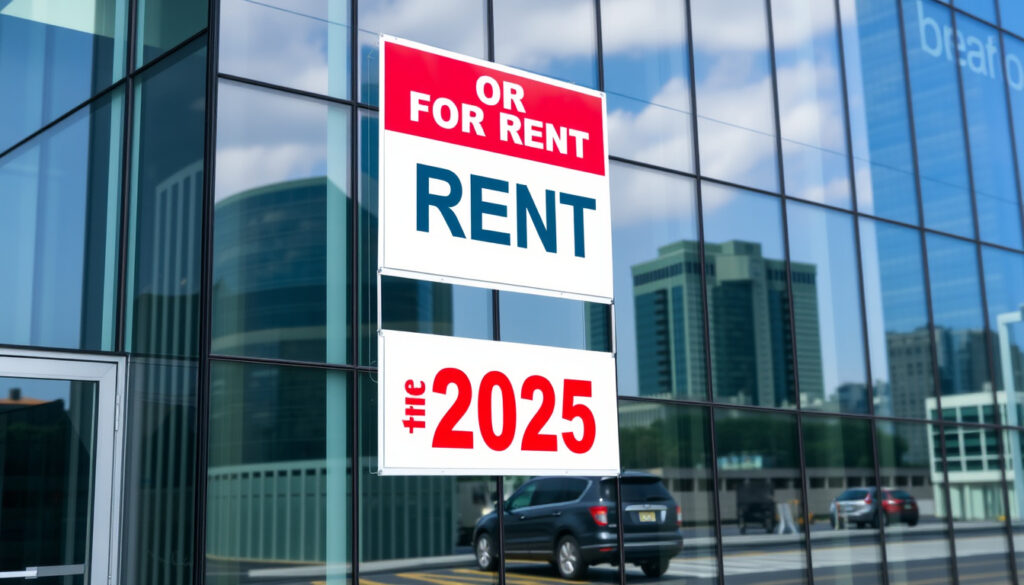
Commercial Property for Rent – 2025 Guide to Rates and Leasing
Finding the right commercial property for rent requires understanding market rates, available property types, and the leasing process. Whether searching for office space, retail storefront, or industrial warehouse, prospective tenants face a complex landscape of pricing structures, lease terms, and location-specific variables. This guide examines where to find listings, how costs break down, and what factors influence decisions in the 2025 commercial real estate market.
Commercial real estate encompasses properties used for business purposes, including offices, retail stores, warehouses, and flexible workspaces. Unlike residential rentals, commercial leases involve distinct structures, longer commitments, and pricing tied to square footage. Understanding these fundamentals helps businesses and investors make informed decisions when securing space.
Where to Find Commercial Property for Rent
Locating suitable commercial space typically begins with online marketplaces that aggregate listings across markets. These platforms offer search filters for property type, size, location, and price range, enabling users to narrow options quickly.
Top Online Marketplaces
Several websites dominate commercial real estate listings. LoopNet serves as one of the largest marketplaces, featuring hundreds of listings in markets like Douglasville, Georgia. SquareFoot, Offices.net, CommercialCafe, and TenantBase provide similar search capabilities alongside market data and trend analysis. These platforms allow users to compare properties, view photos, and contact brokers directly.
- LoopNet: Extensive national coverage with map-based search
- SquareFoot: Market data integrated with listings
- CommercialCafe: City-specific trends and statistics
- TenantBase: Local market insights and rate comparisons
- Crexi: Property cards with photos and video tours
Working with Commercial Brokers
Many tenants engage commercial real estate brokers to navigate complex markets. Brokerage firms like CBRE and JLL maintain comprehensive databases and can access off-market listings. The National Association of Realtors and CCIM Institute offer directories of certified commercial investment members. Brokers often negotiate concessions on behalf of tenants, particularly in markets with elevated vacancy rates.
Atlanta currently experiences approximately 17% office vacancy, creating opportunities for tenants to negotiate favorable terms. High-vacancy markets often yield concessions such as free rent periods or reduced tenant improvement allowances.
Types of Commercial Properties Available for Rent
Commercial properties fall into distinct categories, each serving different business functions. Understanding these categories helps prospective tenants match their operational needs with available inventory.
Office Spaces
Office spaces provide professional environments for businesses, ranging from small suites to large corporate campuses. Buildings are classified as Class A (premium amenities and finishes), Class B (functional but dated), or Class C (basic, lower-cost options). Office spaces typically command higher rents per square foot in central business districts compared to suburban locations.
Retail Properties
Retail spaces include storefronts, shopping center units, and standalone buildings. These properties prioritize visibility, foot traffic, and customer accessibility. Retail leases often run shorter than office commitments, with typical terms of three to five years. Location drives significant variation in retail pricing, with urban cores demanding premium rates.
Industrial and Warehouse Facilities
Industrial properties serve manufacturing, storage, and distribution functions. Warehouse and flex space options have gained prominence with growth in e-commerce and logistics. Industrial rates remain substantially lower than office or retail, particularly in southern markets where land and construction costs favor expansion.
Flex and Mixed-Use Spaces
Flex spaces combine office and industrial characteristics, offering adaptable layouts for businesses requiring both administrative and operational areas. Mixed-use developments integrate retail, office, and residential components, creating dynamic environments. Specific 2025 rate data for flex space remains limited, though these properties generally align with industrial pricing benchmarks.
| Property Type | National Avg ($/sq ft/YR) | Typical Lease Length | Primary Markets |
|---|---|---|---|
| Office | $33.41 | 5–10 years | Manhattan, San Francisco, Boston |
| Retail | $23.00 | 3–5 years | NYC, Los Angeles, San Francisco |
| Industrial | Under $8.00 | 3–7 years | Dallas, Atlanta, secondary markets |
| Flex | Varies | 1–5 years | Mixed-use developments |
Commercial Property Rent Costs and Pricing Factors
Commercial rent prices vary significantly based on property type, location, building class, and market conditions. Understanding these factors enables more accurate budgeting and comparison across options.
National and Regional Rate Benchmarks
According to industry data from early 2025, national office asking rents average $33.41 per square foot annually, representing a 5.7% increase year-over-year. Retail spaces average approximately $23 per square foot nationally, while industrial properties remain under $8 per square foot. These figures exclude additional operating expenses that typically accompany NNN (triple net) leases.
Major City Variations
City-level data reveals substantial pricing disparities. Manhattan leads with office rates around $71 per square foot, followed by San Francisco at $60 and Boston at $49. Atlanta offers more moderate office pricing at approximately $36.49 per square foot, with downtown rates around $25.90 per square foot. Industrial rates demonstrate similar variation, ranging from $27 in San Francisco to $5 in Dallas.
| City | Office ($/sq ft) | Retail ($/sq ft) | Industrial ($/sq ft) |
|---|---|---|---|
| New York/Manhattan | $71 | $57 | $26 |
| San Francisco | $60 | $38 | $27 |
| Los Angeles | $41 | $36 | $19 |
| Atlanta | $36 | $21 | $8 |
| Dallas | $29 | Varies | $5 |
Additional Lease Costs Beyond Base Rent
Most commercial leases include expenses beyond the base rent figure. NNN leases require tenants to pay proportionate shares of property taxes, insurance, and common area maintenance costs. These additions typically range from $2 to $4 or more per square foot annually. Tenants should budget an additional 20–50% beyond base rent when evaluating total occupancy costs.
When comparing commercial spaces, calculate the effective rent by dividing total annual costs by square footage. A space with lower base rent but higher operating expenses may ultimately cost more than a premium property with inclusive costs.
How to Rent Commercial Property Step by Step
The commercial leasing process follows a structured path from initial search through property occupancy. Understanding each stage helps businesses plan timelines and requirements.
- Assess needs and establish parameters. Define required square footage, property type, location preferences, and budget constraints before beginning active searches.
- Search listings and engage brokers. Utilize online marketplaces and broker networks to identify available properties matching criteria. Local market expertise often reveals options not widely advertised.
- Tour properties and negotiate preliminary terms. Visit shortlisted properties and discuss initial terms including rent, lease duration, escalation provisions, and tenant improvement allowances.
- Review the letter of intent and full lease agreement. Negotiate key terms documented in a letter of intent before executing the comprehensive lease contract. Legal review helps identify unfavorable clauses.
- Execute lease and complete transaction. Sign the agreement, remit security deposits, and coordinate build-out or renovation work prior to occupancy.
Year-end searches sometimes yield better deals as landlords look to fill vacancies before fiscal year transitions. However, patience and thorough comparison typically produce better results than rushing to meet arbitrary deadlines.
What to Look for When Renting Commercial Property
Evaluating commercial properties requires balancing multiple factors beyond rental price. Thorough assessment prevents costly mistakes and ensures the selected space supports business operations effectively.
Location and Accessibility
Consider proximity to customers, suppliers, and employees. Evaluate parking availability, public transit access, and traffic patterns. Retail tenants should assess foot traffic counts and surrounding tenant mix. Office users often prioritize proximity to dining, services, and transit hubs.
Building Configuration and Condition
Verify that the property layout accommodates operational needs. Assess mechanical, electrical, and plumbing systems for functionality. Understand common area maintenance responsibilities and associated costs. Newer build-outs may qualify for tenant improvement allowances that offset moving costs.
Lease Terms and Flexibility
Review escalation clauses capping annual rent increases, typically 3–5%. Evaluate renewal options and their associated rates—whether fixed or market-rate adjustments. Parking arrangements, signage rights, and exclusive use provisions matter depending on business type. Negotiate caps on common area maintenance increases to limit unexpected cost growth.
Common Commercial Lease Terms Explained
Commercial leases contain specific terminology that differs significantly from residential agreements. Familiarity with these terms helps tenants navigate negotiations and understand obligations.
Lease Structure Types
Gross leases establish a single rental amount with the landlord responsible for taxes, insurance, and maintenance. Net leases shift some or all operating expenses to tenants. Triple net (NNN) leases, the most common commercial structure, require tenants to pay base rent plus property taxes, insurance premiums, and common area maintenance charges.
Space Measurement Standards
Commercial rent calculations use rentable square footage rather than usable square footage. Rentable area includes the tenant’s proportionate share of common areas such as hallways, lobbies, and restrooms. A space with 3,000 usable square feet might be measured at 3,501 rentable square feet, increasing the actual occupancy cost by approximately 17%.
Typical Lease Duration and Provisions
Office leases commonly span five to ten years, while retail and flex spaces often involve shorter three to five year terms. Annual rent escalations typically range from 3% to 5%. Most leases include one to two renewal options, with terms specified as either fixed rates or adjustable to market conditions at renewal time. Tenant improvement allowances provide funds for customization, while free rent periods occasionally compensate for build-out disruptions.
Parking arrangements vary by property and location. A common standard allocates one space per 1,000 square feet, with monthly rates typically ranging from $60 to $150 per space. High-demand urban locations may require additional parking fees or offer limited availability.
What We Know versus What Varies in Commercial Rentals
The commercial real estate market presents both consistent patterns and significant local variations. Understanding which elements remain stable versus market-dependent helps set realistic expectations.
| Established Information | Variable Factors |
|---|---|
| National office average: $33.41/sq ft | Local rates can range from $21 to $71/sq ft |
| NNN leases add $2–$4+ operating costs | Actual operating expenses vary by property age and condition |
| Lease types follow standard structures | Negotiated terms depend on tenant leverage and market conditions |
| Office rates rose 5.7% year-over-year nationally | Local trends may show declining, stable, or faster growth |
| Industrial rates remain lowest among property types | Premium logistics locations command substantially higher rates |
Market Context and Economic Factors
The commercial real estate market reflects broader economic conditions and sector-specific trends. Office demand has evolved following workplace transformation initiatives, creating elevated vacancy rates in many metropolitan areas. Class A office spaces maintain premium positioning, while Class B and C properties face intensifying competition for tenants.
Industrial real estate continues benefiting from supply chain restructuring and e-commerce growth. Logistics hubs in the southern United States offer particularly attractive rates compared to coastal markets. Retail sectors demonstrate stability in urban cores while suburban and rural markets experience ongoing adjustment. Market analysts recommend consulting brokerage reports for real-time data, as aggregate statistics mask significant local variation.
Industry Sources and Expert Perspectives
Commercial real estate data derives from multiple industry sources, each with distinct methodological approaches. Brokerage firms compile market data from transaction records and listing databases, while platform aggregators draw from reported asking rents. The CBRE Insights and JLL Trends and Insights publications provide periodic market reports covering national and regional conditions.
The commercial real estate landscape continues adapting to changing work patterns, supply chain configurations, and consumer behaviors. Understanding local market dynamics remains essential for anyone making leasing decisions in 2025.
The National Association of Realtors Commercial Division and CCIM Institute maintain professional standards and educational resources for commercial practitioners. Property management resources provide additional guidance on lease administration and tenant relations.
Key Takeaways for Commercial Property Renters
Finding the right commercial property requires balancing multiple factors including location, configuration, pricing structure, and lease terms. Online marketplaces provide accessible starting points for searches, while broker relationships often reveal additional opportunities and market insights. Comparing effective rent—accounting for all occupancy costs—yields more accurate assessments than evaluating base rent alone.
Local market conditions significantly influence pricing, negotiation leverage, and available options. High-vacancy markets like Atlanta’s office sector may offer tenant-favorable terms, while supply-constrained markets require faster decision-making. For those seeking additional guidance, exploring related resources on leisure and hospitality business considerations or local business demographics may provide relevant context for specific location decisions.
Frequently Asked Questions
How much does commercial property rent cost on average?
National averages in 2025 show office space at approximately $33.41 per square foot annually, retail around $23 per square foot, and industrial under $8 per square foot. These figures exclude operating expenses and vary significantly by city, building class, and market conditions.
What should I look for when renting commercial property?
Evaluate location accessibility, building condition, configuration suitability for your operations, parking availability, and total occupancy costs. Review lease terms including escalation caps, renewal options, and maintenance responsibilities.
How do I calculate the true cost of a commercial lease?
Multiply the rentable square footage by the base rate, then add operating expenses (typically $2–$4+ per square foot for NNN leases). Divide total annual costs by square footage to determine effective rent for comparison purposes.
What are the most common types of commercial leases?
Gross leases include most expenses in a single payment, while net leases require tenants to cover some operating costs. Triple net (NNN) leases, the most prevalent commercial structure, pass taxes, insurance, and common area maintenance to tenants.
What is the difference between usable and rentable square footage?
Usable square footage measures the actual interior space occupied. Rentable square footage adds a proportionate share of common areas, typically increasing measured area by 10–20% and affecting total occupancy costs accordingly.
How long do commercial leases typically last?
Office leases commonly span five to ten years, while retail and flex spaces often involve shorter three to five year terms. Tenant creditworthiness and market conditions influence lease duration negotiations.
Can I negotiate terms on a commercial lease?
Yes, most commercial lease terms are negotiable, particularly in markets with elevated vacancy. Common negotiation points include base rent, escalation caps, tenant improvement allowances, free rent periods, and renewal options.
Do I need a broker to rent commercial property?
While not required, commercial brokers provide valuable market knowledge, access to off-market listings, and negotiation expertise. Broker fees typically come from the landlord or are factored into transaction costs.
More related posts
 Free AI Video Generator: Best Tools Without Watermarks
 Jim Lovell: Apollo 13 Commander Dies at 97
 Shea Lacey: Age, Height, Nationality, Stats, Red Card, Brother
 Disney Store Near Me: Where to Shop in Europe 2025
 Leah Ray: Age, Real Name, Height, Ethnicity, and More
 Black Sabbath Villa Park: Setlist, Lineup & Recap
 Parkdean Isle of Wight: Which Resort is Best? (2026 Guide)
 Check Mot History UK – Free Step-by-Step GOV.UK Guide